5 min read

Employer Health Insurance Costs: What to Do Now

Employer Health Insurance Costs: What to Do Now
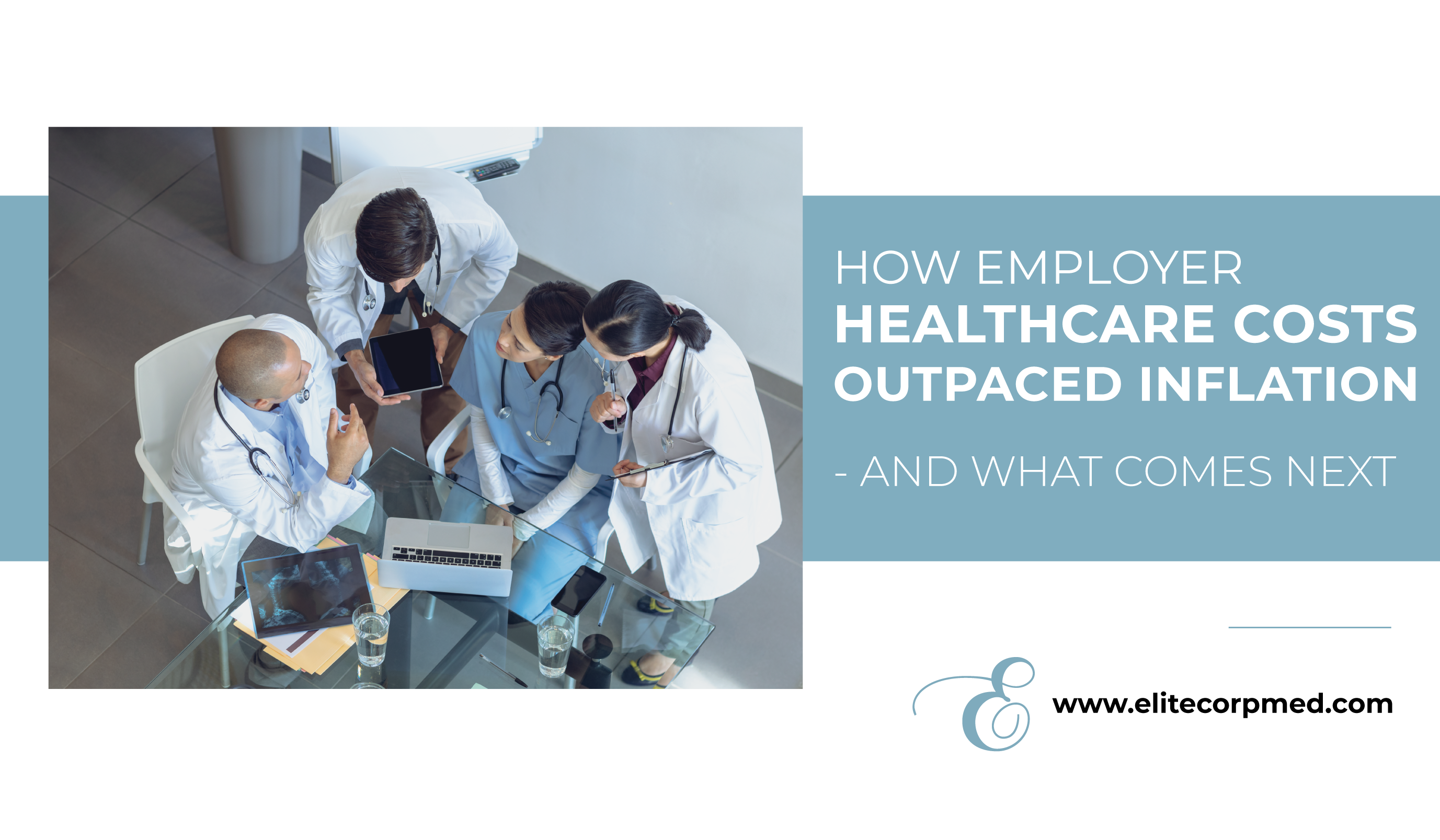
Photorealistic humancentered corporate healthcare scene a CFO an HR leader and a clinician advisor sit closely at a small consultation table inside a

Why employer health insurance costs are surging in 2025–2026

Employer health insurance costs are climbing close to double‑digit rates as medical inflation, high‑cost drugs, and post‑pandemic utilization converge. Aon projects U.S. employer health plan costs will rise about 9.5% in 2026, with total costs exceeding $17,000 per employee for many organizations.Aon

Unlike prior cycles with one‑time shocks, today’s increases are being described as a “sustained period” of elevated trend. Employers are absorbing roughly 80% of total plan cost on average, which means each percentage point of increase directly pressures margins, wage budgets, and investment in other benefits.

Three structural drivers stand out:

  • Unit prices for care: Hospital and outpatient rates continue to rise as systems respond to labor, supply, and capital costs. Many employers now see inpatient and outpatient facility charges driving a disproportionate share of large claims.
  • Higher utilization: Employees are catching up on care deferred during the pandemic, from elective procedures to routine screenings. This is especially visible in musculoskeletal, cancer, and cardiovascular care, which employers consistently cite as top cost drivers.MedCity News
  • Pharmacy and specialty drugs: Pharmacy now represents roughly a quarter of employer healthcare spend.MedCity News GLP‑1 medications for diabetes and obesity alone can exceed $10,000 per member per year and are quickly becoming a line‑item executives track at the board level.

When these forces hit at once, routine 5–6% renewals turn into 9–10% or higher—enough to trigger significant benefit strategy changes for most finance and HR teams.

How rising healthcare costs reshape employer and employee decisions

Rising employer healthcare costs are no longer a narrow benefits issue; they now shape talent, total rewards, and long‑term financial planning. In an Aon survey, most CEOs and CFOs reported that an 8–10% increase is the tipping point for major plan changes, not just incremental tweaks.

For employers, the core decisions cluster around three questions:

  • How much cost can we absorb without constraining wages and other benefits?
  • How much can we reasonably shift to employees before we see retention and equity issues?
  • What structural changes—funding, design, delivery—could reset the trend line?

Employees are making tradeoffs too. Nationally, more than 100 million Americans carry medical debt, and many delay care because of cost. When premiums, deductibles, and co‑pays rise faster than wages, employees become more sensitive to every plan change.

That tension shows up in:

  • Recruitment and retention: Richer benefits remain a differentiator in tight labor markets, particularly for skilled or licensed roles. Cutting coverage to meet this year’s budget can raise next year’s turnover costs.
  • Utilization behavior: Higher deductibles often push employees to delay primary and preventive care, which can increase emergency and inpatient costs later.
  • Equity concerns: Flat cost‑sharing changes (e.g., a $1,000 higher deductible) hit lower‑wage employees hardest, even if the employer share of premiums stays constant.

The organizations navigating this moment most effectively treat healthcare strategy as part of workforce strategy: cost management, employee experience, and equity are evaluated together, not in isolation.

Strategic levers beyond cost‑shifting: funding, design, and vendors

When confronted with a 9% or higher trend, it is tempting to reach first for cost‑sharing. But many employers are looking beyond deductibles and payroll contributions to structural levers that create longer‑term control.

1. Funding strategy: fully insured vs. self‑funded

A growing share of mid‑sized and large employers are reevaluating fully insured plans. Self‑funded arrangements allow organizations to pay claims directly, purchase stop‑loss protection, and gain far more visibility into what is driving spend.James Moore

Potential advantages include:

  • Access to claims data and pharmacy detail
  • Ability to carve out or rebid key services (PBM, care management)
  • More flexible plan design and targeted pilots (e.g., centers of excellence, direct primary care)

However, self‑funding introduces balance‑sheet risk and requires disciplined financial planning. Smaller employers, or those with volatile claims, may need creative structures—such as level‑funded plans or captives—to smooth volatility.

2. Plan design: aligning incentives with value

Plan design changes can still matter, but the emphasis is shifting from across‑the‑board increases to value‑based differentials. Examples include:

  • Lower cost‑sharing for high‑value primary and preventive care
  • Tiered networks that steer members to high‑quality, lower‑cost providers
  • Incentives to use virtual or nurse‑triage services before urgent care or ER visits

Employers that model the impact of design changes by income level and job type are better positioned to avoid unintended retention risks.

3. Vendor and network strategy

With new price transparency tools, employers can compare negotiated rates across hospitals and physician groups, then use that data to pressure test current networks or explore alternatives.Aon

Common actions include:

  • Rebidding PBM and stop‑loss contracts with explicit performance guarantees
  • Adding navigation or advocacy vendors to help employees find lower‑cost sites of care
  • Evaluating alternative network models (narrow networks, reference‑based pricing) in select geographies

Managing pharmacy and GLP‑1 costs without undermining care

Pharmacy is now central to any employer cost containment discussion. GLP‑1 medications, specialty cancer drugs, and autoimmune therapies can each change a budget in a single renewal cycle.

Employers are moving beyond simple formulary exclusions toward more nuanced strategies:

  • Tight utilization management for GLP‑1s: Requiring prior authorization, BMI and diagnosis criteria, and participation in structured weight‑management programs before approving coverage is increasingly common.MedCity News
  • Integrated care models: Some organizations pair GLP‑1 coverage with virtual primary care, nutritional counseling, and coaching to improve outcomes and reduce discontinuation rates.First Stop Health
  • Transparent PBM contracts: Employers are asking for clearer pass‑through pricing, visibility into rebates, and the ability to audit pharmacy claims.

Two practical considerations for HR and finance leaders:

  1. Model GLP‑1 scenarios explicitly. Even a 2–3% uptake among eligible employees can materially change trend.
  2. Communicate the rationale for coverage rules. When employees understand that guardrails are designed to keep the benefit sustainable, they are more likely to accept them—even when access is not unlimited.

Thoughtful pharmacy strategy can protect access to clinically important therapies while preventing a small subset of drugs from overwhelming the entire benefits budget.

Using primary and preventive care to bend the cost trend

While much of the conversation focuses on unit prices and high‑cost drugs, the biggest opportunities often sit upstream—in how and where employees access care.

Employers are increasingly turning to:

  • Onsite, near‑site, or shared clinics that deliver same‑day or next‑day access to primary and urgent care, occupational health, and chronic disease management.
  • Mobile preventive services such as biometric screenings, flu shot events, and health coaching brought directly to worksites.
  • Integrated virtual care platforms that combine urgent, primary, behavioral, and specialist navigation.

These models change the cost curve in three ways:

  1. Shifting site of care: Redirecting non‑emergent ER and community urgent‑care visits into an employer‑sponsored clinic or virtual visit at a lower unit cost.
  2. Earlier intervention: Proactive outreach to employees with uncontrolled hypertension, diabetes, or musculoskeletal issues can prevent high‑cost events later.
  3. Productivity gains: Onsite and near‑site care reduce time away from work, particularly in environments where leaving for appointments is disruptive to operations.

For example, mid‑sized employers that implement an onsite or near‑site clinic often see reductions in total medical spend, avoidable ER visits, and lost work time within the first 12–24 months, alongside higher satisfaction scores among employees who value convenient, relationship‑based care.

A practical roadmap for HR and finance to act in the next 12 months

To move from concern to action, HR, finance, and benefits leaders can follow a structured roadmap over the coming year.

1. Clarify objectives and constraints

Agree on what matters most: budget stability, employee affordability, retention, or all of the above. Define thresholds—such as the maximum acceptable increase before benefits changes are required.

2. Diagnose current cost drivers

Use claims and vendor reporting to answer:

  • Which conditions and sites of care drive your top 20% of spend?
  • What portion of pharmacy cost is tied to specialty and GLP‑1 drugs?
  • Where are employees using ER or urgent care for needs that could be handled in primary care?

3. Evaluate structural options

With advisors, explore:

  • Transitioning from fully insured to self‑funded or level‑funded models
  • Adding or expanding employer‑sponsored clinic access
  • Introducing or refining virtual primary and behavioral health programs

4. Redesign plan features with equity in mind

Instead of across‑the‑board deductibles, consider:

  • Lower or no‑cost primary and preventive care
  • Condition‑specific programs (e.g., cancer, musculoskeletal, metabolic health)
  • Targeted incentives for using high‑value sites of care

5. Communicate early and often

Transparent communication with employees about rising costs, the steps you are taking, and how changes will support both affordability and access is essential. Provide simple scenarios that show how new options—such as a near‑site clinic—actually reduce out‑of‑pocket costs for common needs.


SEO‑friendly title options

  • Employer Health Insurance Costs Are Surging: What CFOs Should Do Now
  • Rising Healthcare Costs for Businesses: Smart Strategies Beyond Cost‑Shifting
  • Self‑Funded Health Plans and Clinics: A New Path to Healthcare Cost Containment
  • Rethinking Employee Benefits Strategy in an Era of High Medical Inflation
  • How Employers Can Contain Healthcare Costs Without Gutting Benefits

CTA: If you are exploring self‑funded health plans, onsite or near‑site clinics, or preventive care strategies to contain healthcare costs, connect with our team to review your data, model options, and design a benefits strategy that protects both your budget and your employees’ access to care.